
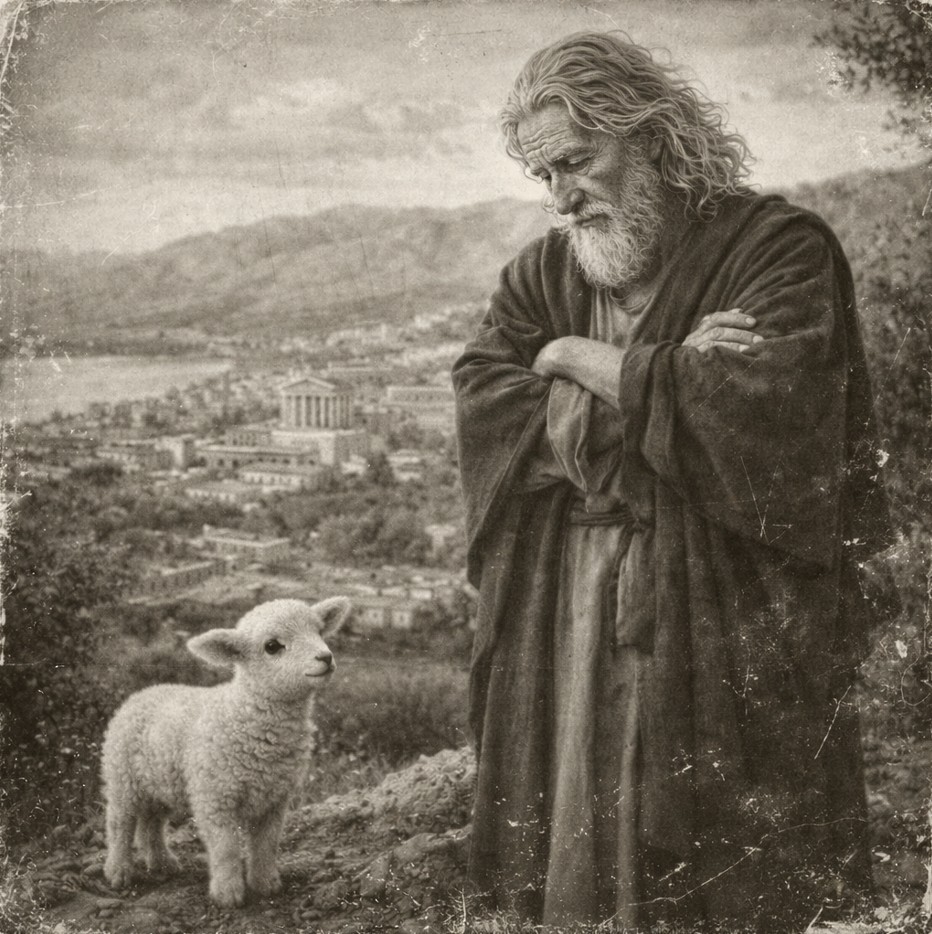
One evening, in the last year of Jesus’ ministry, He and the apostles left Jerusalem. As they were climbing the mountain, one of the disciples expressed admiration for the majestic temple complex, illuminated by numerous lights. Jesus, turning around, predicted the sad fate of the temple and the city: “not one stone will be left upon another, everything will be destroyed.” The disciples, surrounding Him, began to find out when this would happen.
There is nothing in the words of Jesus spoken by Yeshua
nothing unusual or “apocalyptic”: First, He said that Jesus’ disciples would be persecuted, expelled from synagogues, and even executed. Jesus had said this before. Second, He said to beware of being deceived. Previously, He had taught to beware of the “doctrine of the Pharisees,” but this time He was predicting a more distant future. During the days of Jerusalem’s destruction, according to the historian Josephus, several (!!!) messiahs appeared in Jerusalem, actively calling for people to follow them. In the conditions of instability and unrest, Jesus’ ordinary believers could indeed be confused.
When Jesus said, “This is not the end,” he meant the end of Jerusalem, not the end of the world. Earthquakes, diseases, rumors of war – all of this preceded the moment when the Roman armies approached Jerusalem to raze it to the ground. The first Christians, or disciples of Jesus, remained in Jerusalem even after terrible persecutions by their compatriots until the last days of the city in 70. And in this memorable conversation, Yeshua advised them to leave the city immediately at certain signs.
Of the three synoptic Gospels, only Luke wrote his work after the destruction of the Jerusalem temple. The evangelists Matthew and Mark convey the words of Jesus as follows: “When you see the abomination of desolation spoken of by Daniel the prophet standing in the holy place (let the reader understand), then let those who are in Judea flee to the mountains.” The evangelist Luke conveys the words of Jesus differently: “When you see Jerusalem surrounded by armies, then know that its desolation has drawn near: then let those who are in Judea flee to the mountains.” Which version is correct? What does “Abomination of desolation” mean?
The remark “let the reader understand” in Mark and Matthew gives away the editing of the text: it refers the reader to something known to the readers. Luke’s text is more direct, it does not contain references. There is a problem of understanding the “abomination of desolation”: a monument to Zeus in the temple? The transformation of the temple into a brothel, what happened under King Antiochus Epiphanes? In reality, if the “abomination of desolation” took place, it could only have happened after the storming of the city by the Romans, and at that moment it was already useless to flee. There remains one version, that Luke quotes Jesus’ words correctly. When the Roman army approached Jerusalem, it was possible to immediately leave the city in an easterly or southerly direction. Jesus clearly did not want His disciples to die a monstrous death next to those who rejected Him and dragged their people into disaster.














 Follow Jesus Christ
Leave a comment