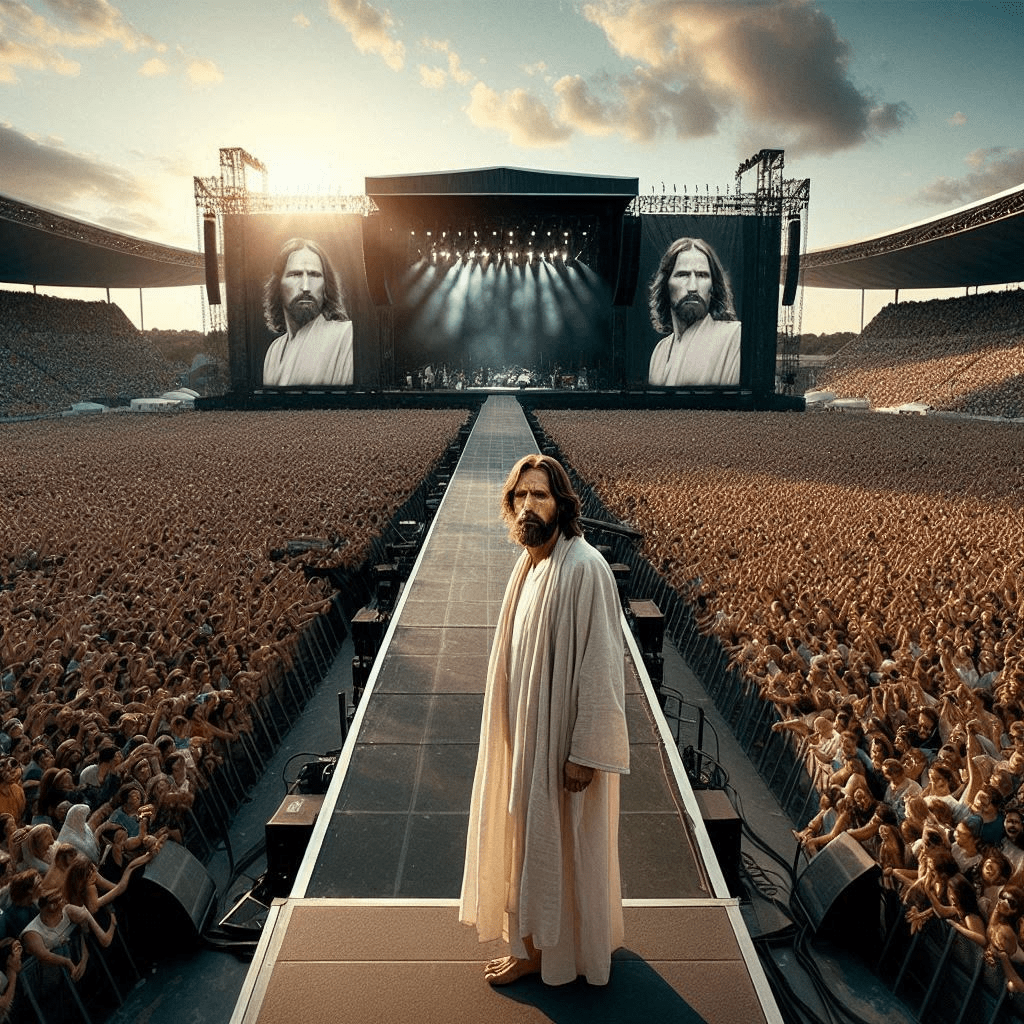
Jesus, sitting on a donkey, the disciples and a huge crowd of people entered Jerusalem. Along with the people who greeted Jesus, there were the dumbfounded Pharisees and representatives of the Sanhedrin. They were so frightened by the people’s recognition of Jesus that they did not dare to arrest him publicly and thereby cause an open rebellion in the capital. In those days, revolutions happened quickly: the enraged crowd at such moments feared only the army. However, this is still true today.
Near the center of the city, the people’s jubilation became so violent that some Pharisees approached Jesus and asked him to quiet the crowd and his disciples. They also did not like the exclamation “Blessed is the King who comes in the name of the Lord!” Jesus answered them that He was not going to forbid anything and added that “if they were silent, the stones would cry out” about the one whom the elders and priests had rejected. The Pharisees withdrew, preparing new plans to arrest and kill Jesus.
Psychology says that in a crowd, a person loses his individuality, sense of responsibility and critical thinking, submitting to collective emotions and moods. This condition, known as deindividuation, makes people more prone to irrational and aggressive actions that they would not dare to take alone. Emotions (anger, fear, euphoria) and other behavior patterns quickly spread in a crowd. One person who has committed a bold or aggressive act can become a catalyst for similar actions in others, creating a domino effect. Finally, people in a crowd usually unite around a common idea, symbol or charismatic leader. This common identity creates a sense of “we”, which strengthens cohesion and readiness for joint action, including violence against “strangers”. At Jesus’ entry into Jerusalem, everything revolved around the figure of Jesus, but this did not serve as a catalyst for violence because of Jesus’s personality: He did not support violence in social life, He was rather a religious figure with a very narrow spectrum of demands. The main theme of His preaching was the spiritual Kingdom of God, which many did not understand and which was impossible to achieve by political means.
Jesus was a realist, he understood that in reality, this superficial and spontaneous outburst of popular enthusiasm had no deep spiritual basis. Although the greeting was joyful and sincere, it did not indicate any firm inner conviction of the people. A few days later, the same crowds were ready to reject Jesus just as quickly when they realized that He was not going to fight the Romans and take power in Jerusalem by force. Jesus, however, did not need cheap popularity either. Most likely, Jesus found psychological techniques of crowd manipulation base and unworthy. Jesus used the triumphal entry into Jerusalem for only one purpose – to have the opportunity to preach in Jerusalem unhindered for a few days. These were the last few days of his earthly life.











 Follow Jesus Christ
Leave a comment