At noon the marble villa gleamed in the sun. Inside, in the cool of the atrium, a patrician in a spotless toga sat by a low table. A servant handed him a cup of dark, thick wine—aged and aromatic, as if it had absorbed the centuries of his noble lineage. He sipped it, leaned back lazily, and glanced through the window.
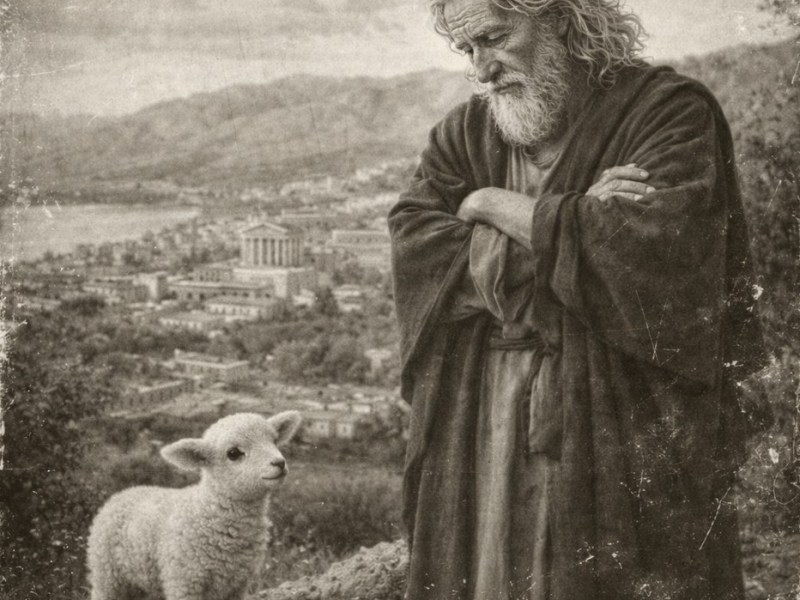
By the roadside, under a dusty tree, sat a man in a tattered cloak. His face was pale and dry, his lips cracked, his eyes burning with a strange fire. He neither ate nor drank, only muttered words and clenched his hands in prayer. The patrician smirked: “That poor wretch starves himself to win the favor of the gods. And I? I raise my cup to the very same gods—who bless me with vineyards and gold.”
The Pharisees once asked Jesus why His disciples did not fast, while the followers of John the Baptist and the Pharisees themselves practiced fasting as a rule of faith. In those days, fasting and long prayers were seen as essential marks of religion. Matthew, Mark, and Luke all record this tension—between the Pharisees, John’s disciples, and the followers of Jesus. To most people, religion meant gloom and self-denial. But not so with Jesus. He urged His disciples to keep their hearts light—even in times of fasting.
He reminded John’s disciples of John’s own words—that the coming of the Messiah would be like a joyful wedding feast. “Can the guests of the bridegroom mourn while he is with them?” He asked. Fasting is an expression of grief and searching—and grief has no place at a wedding. A pious act done out of season is a mistake. Jesus admitted that fasting joined with prayer would have its place—but not now. For Him, fasting was not essential; repentance and the search for truth were to happen naturally, daily, in the depth of one’s heart—in love and in honest communion with the Spirit of God within. The Kingdom of God is not won by exhausting the body, but by the effort of heart and mind.
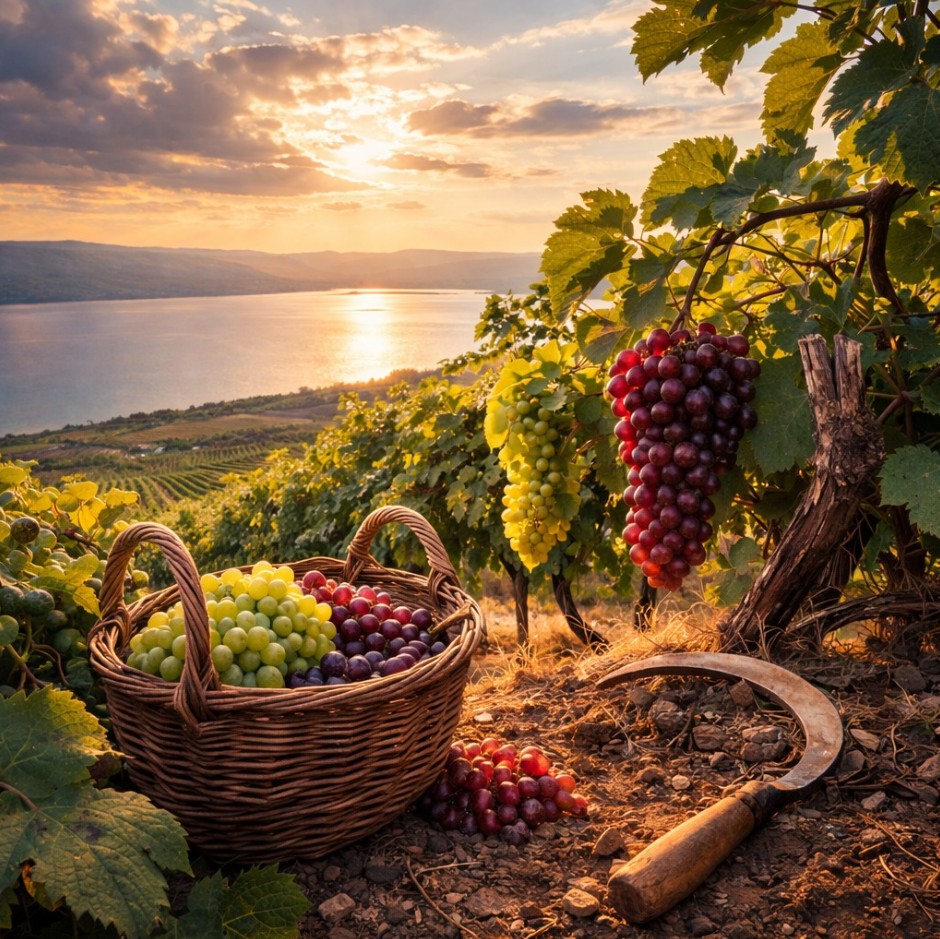
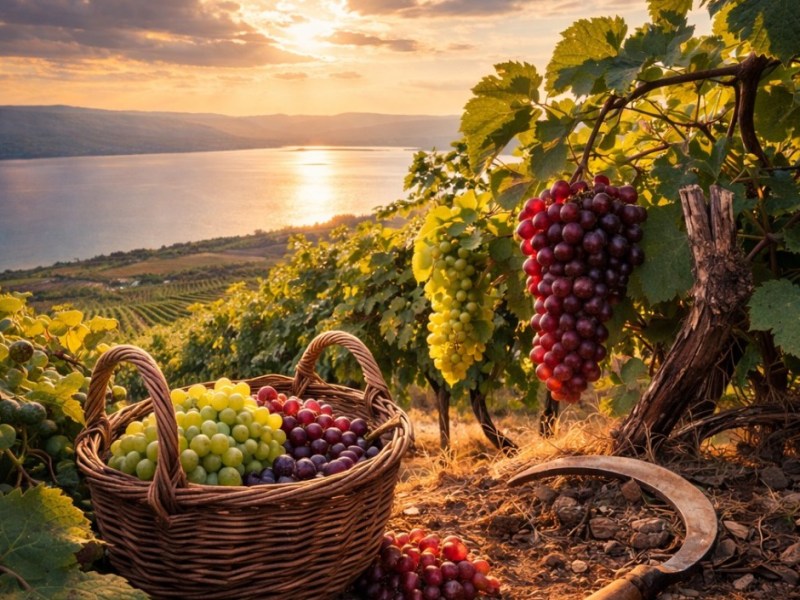
Jesus illustrated this with a vivid metaphor: “No one pours new wine into old wineskins. If he does, the skins will burst, the wine will spill, and the skins will be ruined. No—new wine must be poured into new wineskins.” With these words He declared that a turning point had come in humanity’s spiritual history: the old forms could no longer contain the new life He brought. Religion, like life itself, has moments of revolution. Jesus sought a religion of the heart and mind—one that needed neither rituals nor rigid forms. But in practice, humanity clung to forms. No sooner had Jesus departed than Christianity clothed itself with every possible rite and custom. Yet those who grasped His meaning found peace and rest within.
His teaching was new to the world—and many ancient practices no longer made sense within it. Still, He never urged the wholesale rejection of tradition. Old wine is not poured out merely for being old. New wine, by contrast, is not yet finished; it is lively, sharp, full of fruit and acidity, but it cannot be kept for long. Old wine stabilizes—tannins soften, aromas deepen, the bouquet matures. Thus old wine is prized as richer, more harmonious. Old religions too, with age, become clearer to the culture that holds them. But Jesus was not speaking of beverages—He spoke of spiritual realities.
Like a skilled architect, He laid the foundation for a new religion in humanity’s upward journey toward God. Judaism, John’s preaching, even modern Christianity—all are transitional forms, vintages that arise, age, and pass. And just as wine, if kept too long, can spoil—most faiths eventually lose their spirit, turning sour, like the vinegar Jesus tasted on the cross. Only rare vintages, crafted for endurance, grow finer with age. This is the fate of every formal religion, of all that clings to form rather than spirit.
The teaching of Jesus centers on a single truth: that God’s reality is personal, and is found through love. Yet even now, many cling to the old saying “truth is in wine,” while others run to the opposite extreme—seeking God in grim ceremonies of self-denial.











 Follow Jesus Christ
Leave a comment