
Why doesn’t the Spirit of God communicate with us by means of words? That would be so convenient. There is one answer to this question. The thing is, words are signs; they are one layer of meaning, not its core. People can grasp meanings, values and truths directly — not only through verbal signs. Simply put, the Spirit of God speaks to us directly without signs: He imparts thoughts to us, corrects them, directs them. God and a person exchange meanings immediately, directly. This happens because the Spirit of God dwells in our heart and mind. The problem of understanding arises only because of us: we are free to reject the thoughts and ideas that God plants within us.
In Jesus’ teaching there are several passages that say the Spirit is within a person, for example, “…and I will ask the Father, and he will give you another Counselor… the Spirit of truth… you know him, for he remains with you and will be in you.” The Spirit instructs, guides, convicts, reminds, and testifies. This follows directly from Jesus’ own words. The apostle John speaks of “the light that enlightens every person coming into the world.” The apostle Paul likewise says that the Spirit of God dwells in a person, but a person must first receive Him. Ultimately, even if one holds to the doctrine of God’s omnipresence, one must still admit that God has the power to be present in any person. A person, for his part, can deny God if he wishes.
The idea of the Spirit of God being present in a person is expressed especially clearly in Christ’s words to Nicodemus: “Do not be amazed that I said to you, ‘You must be born again.’ The Spirit breathes where he wills, and you hear his voice, yet you do not know where he comes from or where he goes; so it is with everyone born of the Spirit.” Jesus plainly points to God’s ubiquity, including within the human mind. He says that a person hears a voice but does not understand from whom it comes or where it disappears to. Everything said here makes sense only if the Spirit of God and the person form a unity, and the person clearly experiences the birth of certain ideas in his mind yet does not know where they came from: “Is this my idea or not?”
This is how the Holy Spirit constantly influences a person: not from the outside, not by means of words or signs, but by sharing thoughts with the person. The overall scope of this work is impressive: the Spirit acts twenty-four hours a day. It is literally a tandem, where a person’s achievements and thoughts are directly connected to the Spirit of God’s efforts within him. Why does God not appear as some second person? Why this unity and exchange of thoughts? So that the person himself may come to the truth and either accept it or reject it on his own. God’s aim is not to coerce or force; His aim is to explain the truth and hope that the person will accept it.
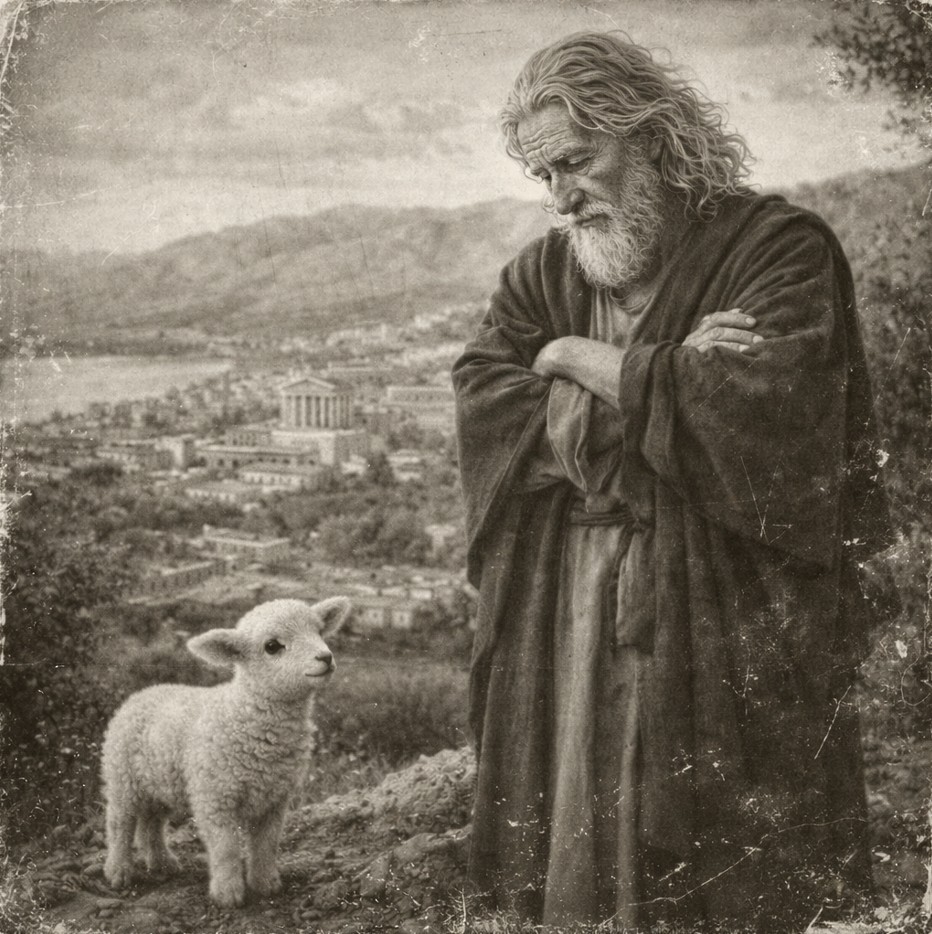
All this leads to the conclusion that God is not an “old man” in heaven. He is much, much closer to a person. He is within him. God and the person are mutually involved; they contact each other directly through thoughts and feelings, where language and words are unnecessary. This can be compared to telepathy, but only in spiritual terms. This phenomenon does not exist in physical nature, it cannot be observed, and it must be accepted by faith. It is a great mystery, as the apostles taught: how two subjects (God and the person) are one and yet divided at the same time. How a person can have two centers of consciousness, what will happen if the two centers become one — there are no answers to these questions yet. There is, however, the sure guidance of Jesus that defines the disciple’s path: the human “I” and the divine “I” are one whole.















 Follow Jesus Christ
Leave a comment