
Many Christians hold the following naive view of how the world works. They assume that God literally rules this world, controlling, permitting, or forbidding events to happen. Thus God is blamed, for example, for the explosion of any bomb or for the flight of a bullet: He supposedly allowed it, therefore it was His sovereign will. Many unscrupulous rulers readily exploit this philosophy, claiming divine election merely on the basis of one simple fact—the possession of power. In their thinking: “I’m king; I’m a fact of reality; therefore it is God’s will, and everyone else must constantly pray for me.” From this follows a call for believers to continually fall on their knees, to stand in the breach, to beg God about current events, with the claim that this will somehow improve the world. One error has crept into these reflections, and it is connected to human free will.
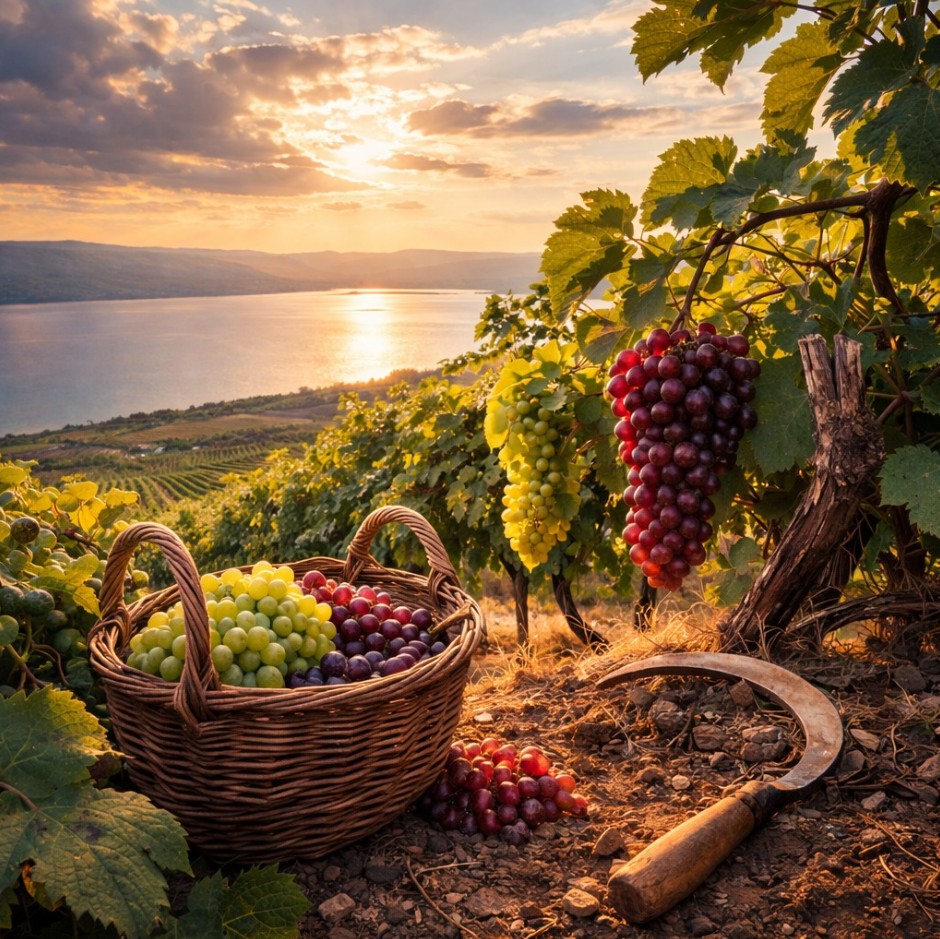
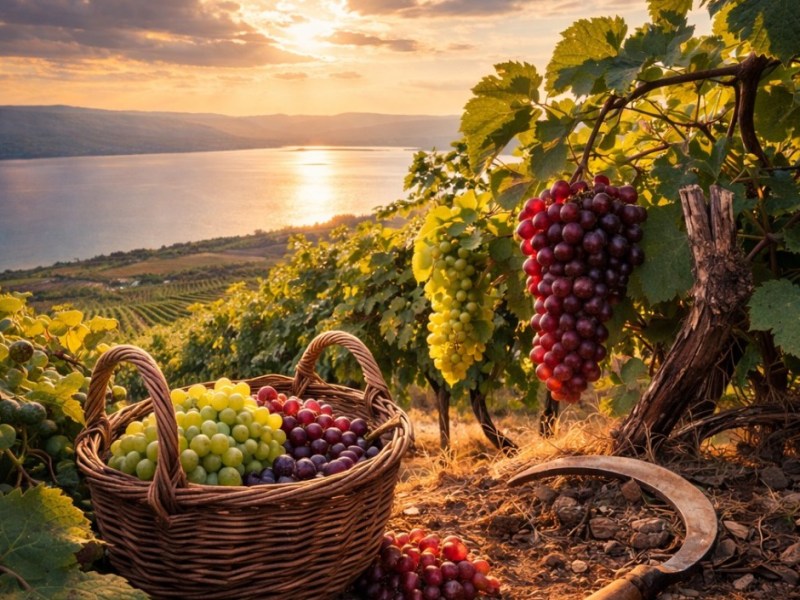
God surely knows and sees everything. He righteously governs the universe, but the methods of His governance are beyond human understanding. Our earthly world is fashioned so that its primary rule is this: it is a place of human free will. God does not manage every event directly here; He has established the laws of existence and development. Figuratively speaking, God created the soil, water, and light, while people choose what to sow. The choice of seed is human responsibility. God is the source of life and of the law of growth, but the history of the world unfolds through free human choices and their fruits.
This philosophy is literal in Jesus’ teaching: He points to seed and growth. God does not block a person’s freedom of choice; a person has the right to plant any seed and await the harvest. Each person has the right to grow their own plant, whatever it may be. That is why the human world is a world of phenomenal diversity. It is also why the history of civilization is full of blood and suffering, dictators and tyrants, wars and revolutions.
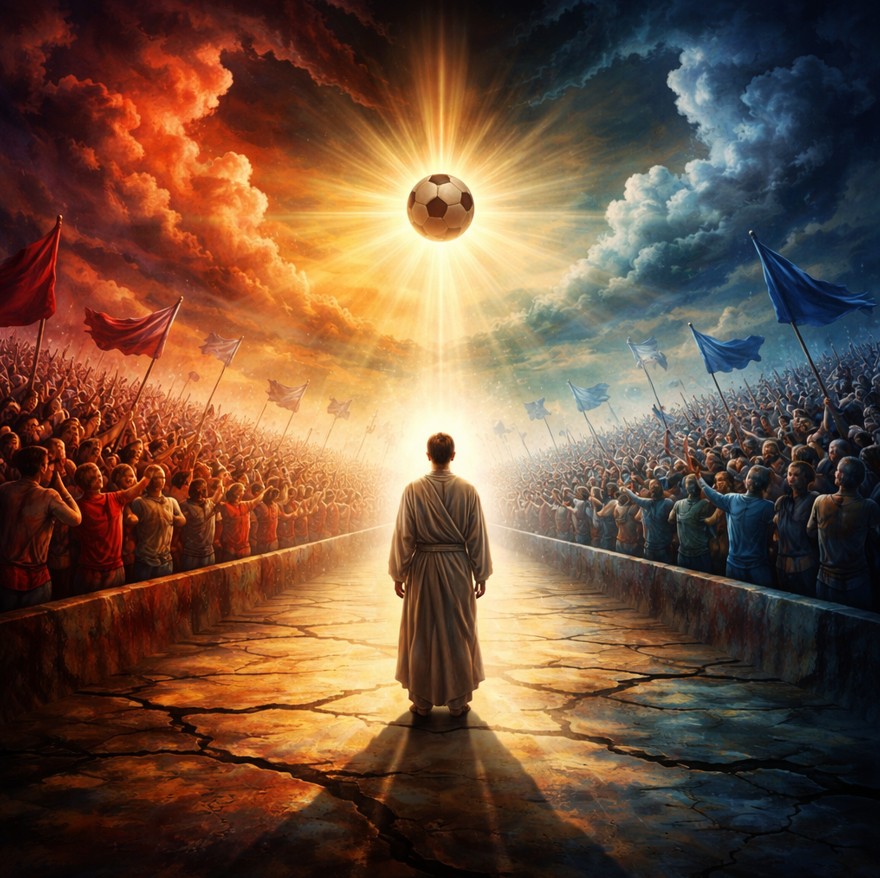
Critics will immediately ask: “Why didn’t God create the universe in a way that preserves free will while eliminating evil? If God cannot do that, does that mean He is evil or not omnipotent?” This question rests on a false assumption: that “free will” can be preserved while forbidding its consequences. But that is logically impossible. Freedom is not a choice from a “safe menu”; freedom is the capacity to have real effect on reality. If a choice cannot produce evil, then it carries no ontological weight. Freedom without the possibility of evil is not freedom but a theatrical prop. God could have made a world without evil, but then it would have been a world without genuine freedom, without responsibility, and without love.
If God were to stop the growth of every evil seed, uproot every shoot, He would destroy the very principle of growth—and with it freedom. That is why, as Jesus taught, the tares are allowed to grow. Not because God desires them, but because God does not cancel the process He himself instituted. God does not “filter out” evil, because then evil would have no consequences, choice would be fictitious, and history would be a staged play. As for God’s omnipotence, it does not mean the power to do the logically contradictory—like to create a square circle or to create freedom that is not free. Creation must be non-contradictory and bear meaning.
In light of the above it becomes clear that kings and emperors should not be revered as God’s appointees; they may be unworthy or accidental people. They can be evil and cruel, cunning and unscrupulous. Yet they still have the right to exercise their will. The good news in all this is that Jesus’ teaching allows for repentance, change, and rebirth. In his teaching Jesus asks each person, “What are you sowing?”—and he does not cry, “All is lost.” In our world, where there is so much evil, every person has the freedom and the right to root out evil from within themselves and to sow in heart and mind the spiritual seeds of the Holy Spirit. As more and more people act in this way, the world around them will gradually become better and better.










 Follow Jesus Christ
Leave a comment