
At the airport people usually stand not by the gate but in front of the departures board. The flight is delayed. There’s nothing to be done. Yet the person keeps looking up at the screen again and again. Then they check their phone. Then the board again. The plane won’t arrive any sooner, but there’s a feeling of being involved. As if the anxiety helps manage the situation.
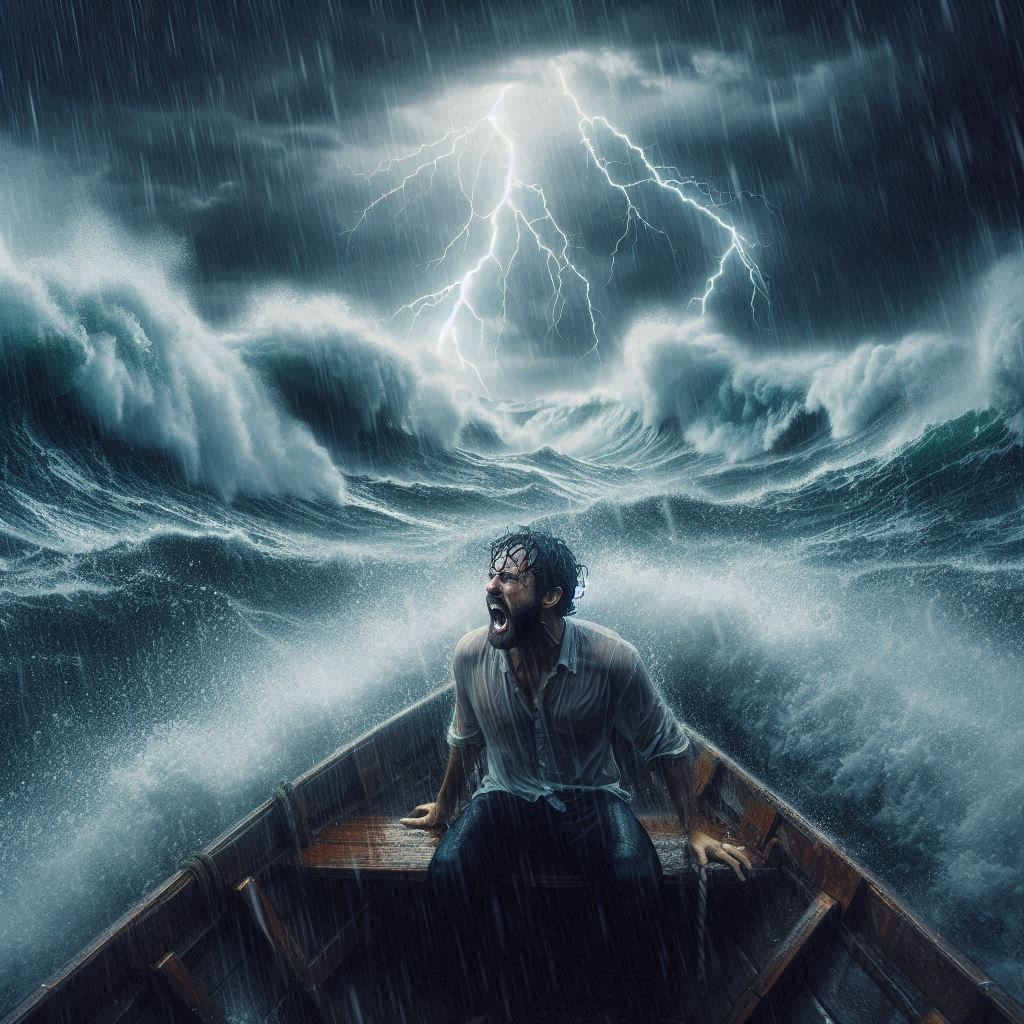
Something similar happens when we look at a ten-day weather forecast. The app predicts rain next Saturday. We already get upset in our minds. Two days later the forecast changes. There will be no rain. But the worry has already been lived through in advance. We experienced what didn’t happen. Sometimes we fall out of reality.
That’s how the psyche works. The brain is wired to notice threat faster than safety. The amygdala reacts to a possible danger before rational thought kicks in. For an ancient human that was an advantage — better to err on the side of alarm than to miss a predator. But in the modern world uncertainty has become constant. Now that tendency is not an advantage but a psychological atavism. The future is always a little “delayed.” And we senselessly stand at our inner departures board almost continuously.
Uncertainty is perceived as a threat. The brain doesn’t like empty spaces; it fills them with scenarios. “What if I get fired? What if I get sick? What if I don’t have enough money?” We don’t just think about the future — we live it in our imagination. And the less control we have, the stronger the urge to check the board.
When Jesus says, “Do not worry about tomorrow,” He isn’t calling for passivity. He isn’t forbidding planning. He is talking about a different kind of care — the anxiety that eats today. “Each day has enough trouble of its own” is not a poetic line but a practical limit. A day has its bounds. Anxiety has none.
To follow this command you must first distinguish two things: action and the replaying of fear. Planning is a step. Anxiety is endlessly refreshing the board. If you can do something today — do it. If you can’t — further tension won’t increase your control. “Which of you, by worrying, can add a single cubit to his stature?” — the question sounds almost ironic, but it frees you. There are things effort cannot fix. The universe lies beyond our control.
The second step is to restore the future to its proper status. The future is the weather forecast, not the weather itself. A forecast is useful, but it changes. It is not reality. When a thought about tomorrow comes, you can ask: is this a fact or a forecast? Is this action or imagination? Often worry turns out not to be a solution but a scenario. Do you need to live through each of the millions of scenarios?
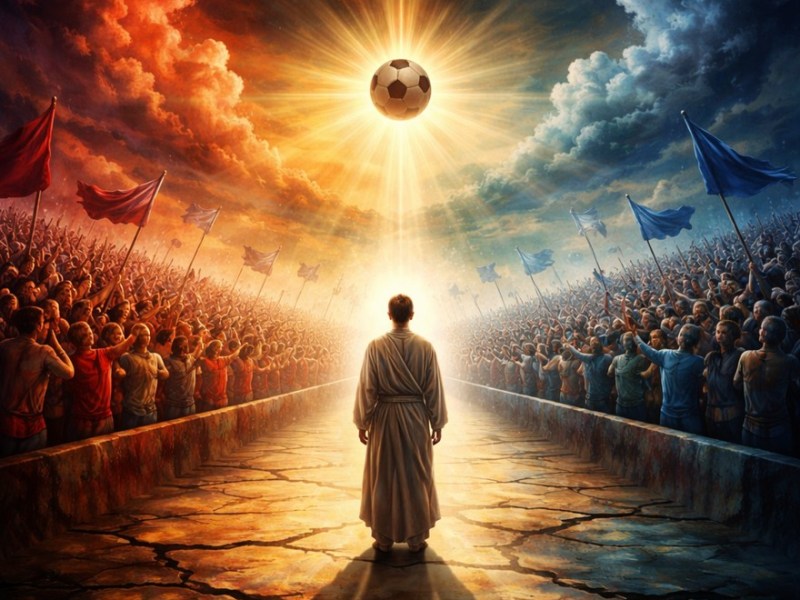
The third step goes deeper. We worry not only about events but about ourselves. “If this happens, who will I be?” Loss of job, income, status is perceived as a threat to the very structure of the self. That is why Jesus’ words go beyond mere psychological technique. He shifts the basis of security away from the future and into one’s relationship with the Father. A person’s worth does not depend on tomorrow’s outcome. “A man’s life does not consist in the abundance of his possessions.” If worth is not equal to a guarantee, anxiety loses some of its power.
Humans are physiologically prone to anxiety. It is not a defect of faith; it is part of the nervous system. But anxiety can be a signal, not the master. It can remind us of limits without ruling our lives. Obeying the commandment doesn’t begin with the sudden disappearance of fear, but with the decision not to live under its dictate. Solving every problem, like the saving of the soul, does not come all at once — it’s about time we understood that.
You can stand at the departures board all day. Or you can sit down and talk with someone close, have a cup of coffee, take the step that depends on you. You can check the forecast every hour. Or you can go outside and feel today’s air. God does not promise that flights will always run on time. He invites us to stop living in a mode of constant expectation of catastrophe. He offers freedom from fear.
The future will remain uncertain. Forecasts will change. But today is real. And if a person learns to act today and to leave tomorrow to God, anxiety ceases to be the center of life. We will still worry and be concerned. But not in the way our ancestors did when they faced a tiger in the woods. Anxiety will remain part of human nature for a long time yet, but gradually it will stop being its absolute ruler.












 Follow Jesus Christ
Leave a comment