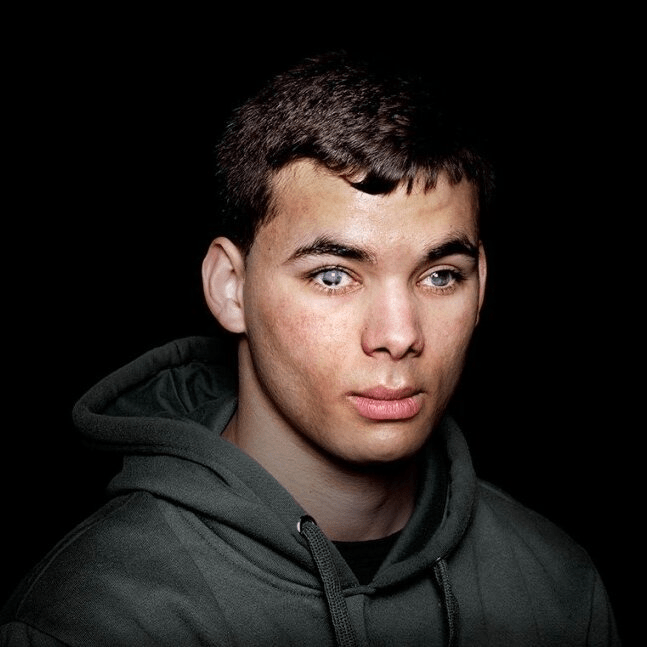
A man blind from birth does not know the difference between light and darkness—there is no bright morning or dark evening for him. Words like white, red, or blue are for him nothing more than sounds, behind which he guesses some meaning, but never truly experiences it. Yet he feels what a sighted person often misses. He catches vibrations in the air—the movement of people around him, the rustle of clothing, the breath in a room. He hears footsteps and, by their rhythm, understands the mood. He senses space with his skin: the wind tells him about the width of a field, the warmth of a stone tells him how long the sun has stood in the sky.
The idea of a face is foreign to him—he does not know what his mother or a friend looks like. But he knows them differently: by the timbre of their voice, by intonation, by the touch of a hand. For him, this is their true “appearance,” and it is more precise and honest than visual features. He feels the world in another way: in the harmony of sounds, in the softness of an animal’s fur, in the smell of bread. His world lacks visual images, but it is rich in the fabric of impressions that the sighted often overlook.
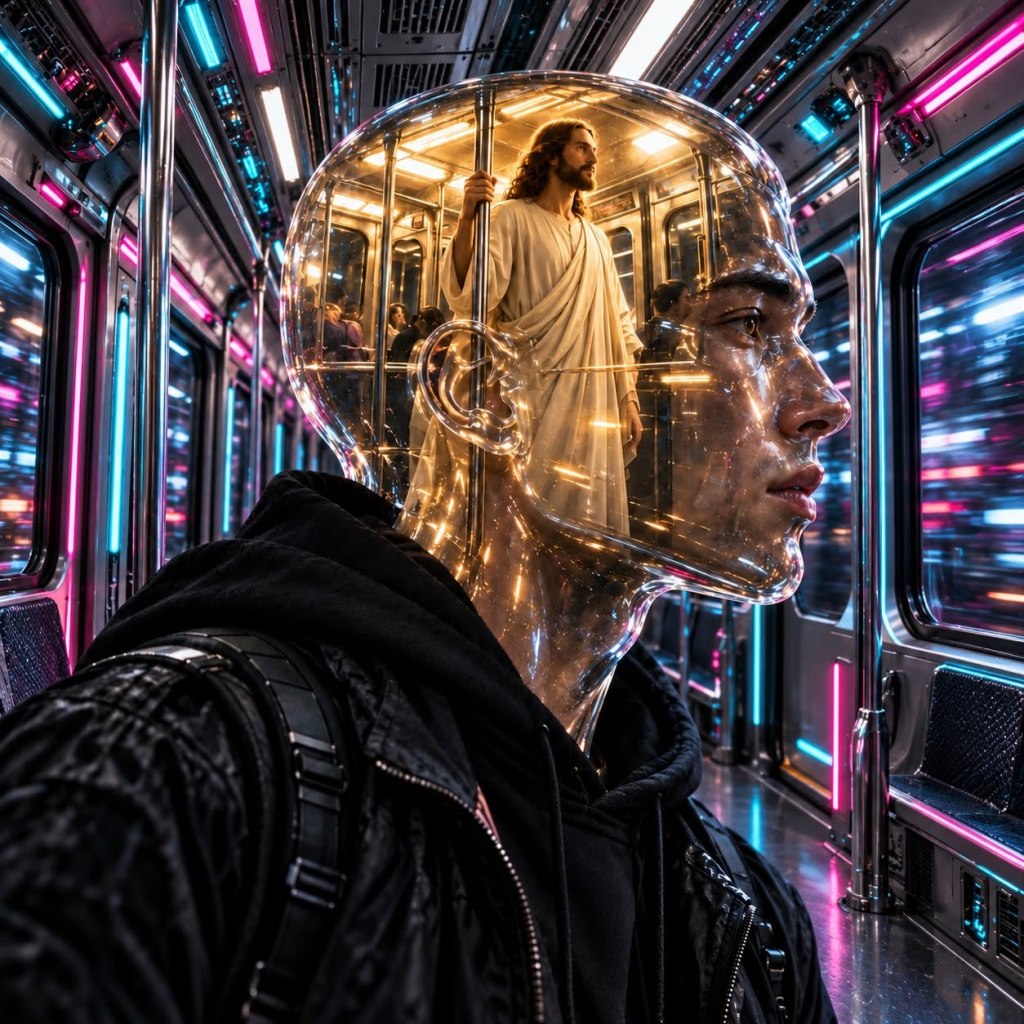
One day Jesus passed by such a man, blind from birth. He sat on the street, looking into emptiness. His disciples asked Him: “Teacher, why was this man born blind—who sinned, he himself or his parents?” “Neither he nor his parents sinned,” answered Jesus.
In Judaism, even to this day, there remains a partial belief in reincarnation—the idea that a person can live several lives. According to that view, a man could have sinned in a previous life, or his parents could have sinned. Jesus’ answer shows that reincarnation does not exist at all. Congenital blindness, as science says today, is nothing more than the result of a genetic defect, and it occurs once in eighty thousand births.
From the following text, some readers get the impression that the cause of blindness was God Himself—that He made this man blind on purpose, in order to demonstrate a miracle. This sounds extremely unjust and raises many other questions. However, there is a more logical explanation: it seems that Jesus only meant that He must carry out God’s work for this blind man “before night comes”: “So that the works of God might be displayed in him, I must do the works of Him who sent Me while it is still day. Night is coming, when no one can work. While I am in the world, I am the light of the world.”
Meeting such a case on His way, Jesus used the opportunity to heal this man while He was still in the world. Jesus anointed the man’s eyes with a mixture of saliva and earth, similar to what physicians of that time might have done. The blind man received sight as a gift, and the Gospel of John tells about the continuation of this story in Jerusalem. It was even a bit humorous—the Pharisees summoned the man’s parents for “interrogation” and resisted the fact of the miracle until the very end. As it turned out, this event was a direct challenge to the supreme religious council of Judaism of that time—the Sanhedrin, which had to decide whether to recognize this miracle and Jesus as the Messiah, or not.
The almost comical story ends tragically: the man who had been blind was cast out of the synagogue simply because Jesus gave him sight. Perhaps that is why Jesus sought him out again, and a decisive dialogue took place between them.
When Jesus heard that the Pharisees had driven him out, He found him and asked: “Do you believe in the Son of Man?”
“Who is He, sir?” asked the healed man. “Tell me, so that I may believe in Him.”
Jesus said: “You have now seen Him; He is the one speaking with you.”
Then the man replied: “Lord, I believe,” and he bowed before Jesus.
At the moment of healing, the former blind man had not seen the face of Jesus. Jesus asked if he believed in the Man who had given him sight—believed in Him as the Messiah. And when Jesus revealed that He was the one who had given sight, the man immediately confessed his faith in Him: during the interrogations and insults in the Sanhedrin he had plenty of time to reflect. Most likely, he fell on his knees before Jesus. And then, perhaps after being excluded from the synagogue, Jesus invited the former blind man to join the group of His followers—those who, like him, believed in Jesus.














Leave a Reply