Many people intuitively feel that there are two levels of mind in a person. One is lower, tied to the body, to instincts and to automatic reactions. The other is higher, able to observe, to be aware and to choose, without being reducible to bodily impulses. It can soar very high into the realm of higher values, like an eagle.
The lower mind helps us survive. It is fast and useful, but reactive. It answers threat with fear, pressure with irritation, stimulus with desire. This mind lives by the stimulus–response principle. The higher mind works differently. It can pause, see what is happening and ask, “What is happening to me now, and how do I want to respond?” It exists outside the physical body, though within its context.
There can be movement back and forth between these levels. But most people spend their whole lives in the mode of the reactive self, only responding to external, material phenomena. Not because they are bad or stupid, but because it’s easier and safer, as if in the womb of Mother Nature. Reactive existence does not require inner responsibility.
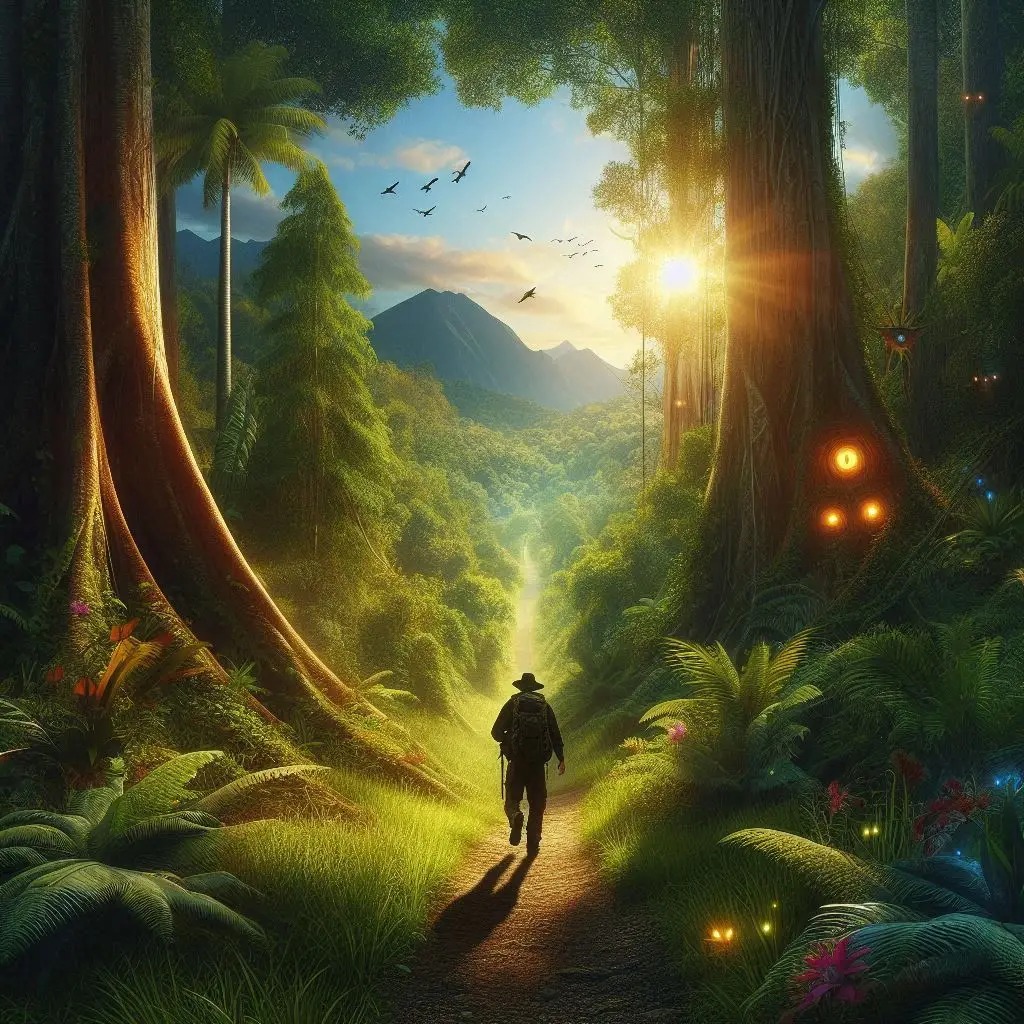
To put it figuratively, imagine you are walking through a forest. Everything is familiar—trees, soil, smells. Then suddenly the ground beneath your feet changes. The plants shift, your step feels different. The forest is the same, but it’s as if you have entered another zone. The same thing happens with consciousness. The world does not change, but the way you are present in it does. Our consciousness is a blend of material and nonmaterial natures.
Modern psychology does not speak in terms of spirit, but it clearly distinguishes modes of consciousness. It calls this transition the emergence of a “meta-position,” the ability to observe your thoughts, emotions and impulses rather than to be them. Before the threshold, a person says, “I am my fear, I am my anger.” After crossing the threshold a different experience appears: “I have fear, I have anger, but I am more than that.” Importantly, this transition often happens suddenly. In therapy it is called an insight or a shift of identification. It is not gradual improvement but a qualitative leap.
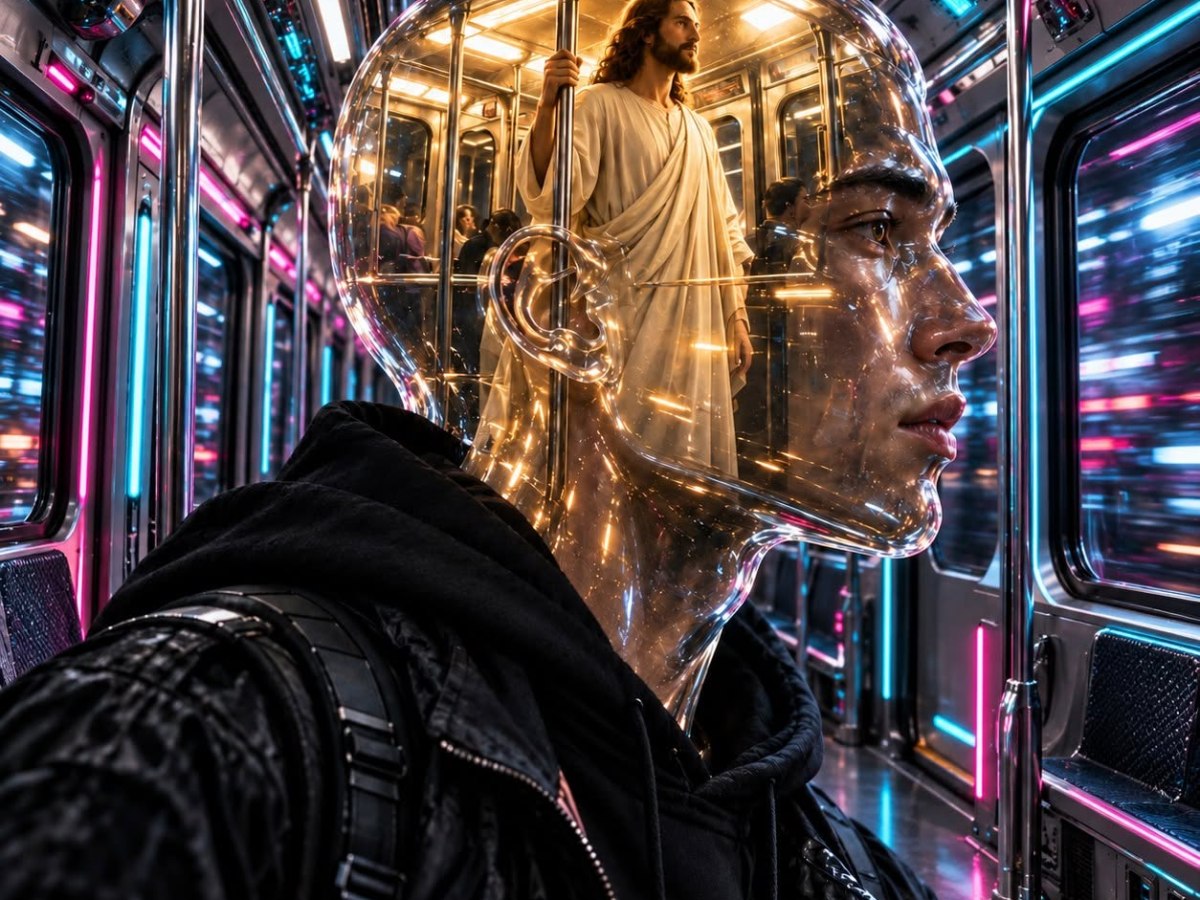
When Jesus says, “That which is born of the flesh is flesh, and that which is born of the Spirit is spirit,” he is describing this same split through the categories of flesh and spirit. Flesh is not the sinful body. It is merely reactive existence, determinism and life by inertia. Spirit is the capacity to see, to understand and to be free from automatism.
Jesus said that the Kingdom of God is within you. That means the Kingdom is not a place or a reward after death. It is a mode of being available here and now. Therefore the threshold is internal. Jesus emphasizes that the moment of transition is always sudden: “The wind blows where it wishes; so it is with everyone born of the Spirit.” This is not the accumulation of merits or gradual growth, but a qualitative leap—like the change of ground under your feet.
Jesus gives a very practical criterion: “Whoever wants to save his life will lose it; but whoever loses his life for my sake will find it.” Here the word “psyche” does not mean a metaphysical soul, but life as instinctive self-preservation. The threshold appears where a person stops living only by reaction and agrees to let go of automatism.
Why do most people not cross the threshold, not open the mysterious white door of consciousness? Jesus answers plainly: “Light has come into the world, but people loved darkness rather than light.” Darkness is not necessarily evil. It is habit, automatism and bodily safety. It is the unwillingness to learn anything new, the readiness to sit in your native cave until death—just as your grandfathers sat. Light is clarity, responsibility and separation from fusion with instinct. This threshold frightens people.
In Jesus’ teaching the threshold is the birth of the observing, free mind that is no longer reducible to body, fear and instinct. It is not morality, religion or ritual. It is an existential transition from one ground of being to another. The law of nature is that the physical body dies. If a person never manages to climb out of bodily, material thinking, their mind may fade and disappear with the aging body. Everlasting is the mind of the person who has left the cave in which they were physically born and turned toward the unfading light of the Universe.












Leave a Reply