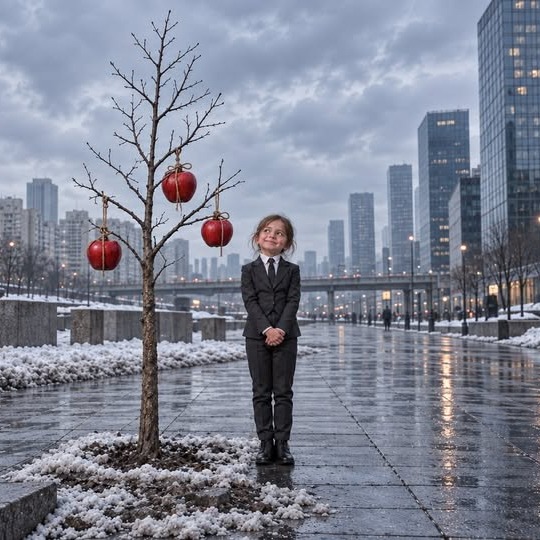
Should we suppress our emotions? We’re used to answering: absolutely not. But imagine a child who is terrified and cannot run away or ask for help. His mind does the only thing left: it buries the fear deep and switches on a protective system.
The system works quietly. It teaches the child not to cry, not to complain, not to show weakness. When he lacks love, it says, “You don’t need anyone.” When he’s angry, it warns, “Be quiet, or you’ll be rejected.” When he feels shame, it sets a new task: “Become flawless, and no one will be able to humiliate you.”
Years pass. The child becomes an adult, but the system keeps working. Suppressed fear turns into control. Anger becomes a need to please everyone. Sadness hardens into coldness. Shame becomes perfectionism. He no longer hears the warning voice because he has come to take it for his own.
You can’t say the system was useless. Perhaps without it he wouldn’t have survived those first years. Control made him composed, loneliness taught him self-reliance, fear of mistakes made him careful, and restrained anger gave him patience. The protection took some of his freedom but bought him time to grow.
The danger appears later. The threat has long since gone, but the system never received an order to shut off. It detects danger in every disagreement, every mistake, every new feeling. He tries to get close to someone, but anxiety switches on inside. He wants to make a free choice, yet an invisible voice says again, “Don’t risk it. Stay as you are.”
He’s told to be himself. But which self? The one he might become, or the one the protective system created? Perhaps half of what he calls his personality is made up of old commands. “I’m shy. I don’t trust anyone. I must control everything. That’s just who I am.” Each phrase locks another door.
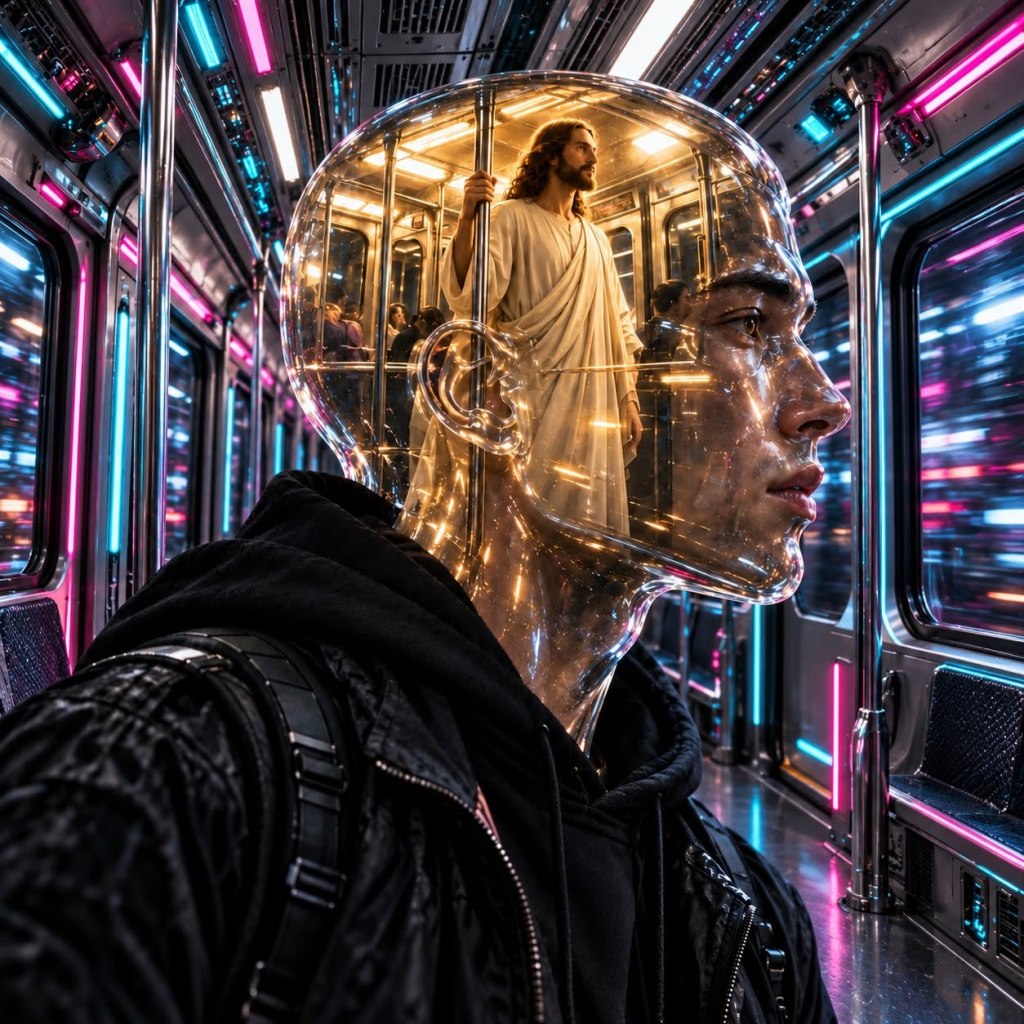
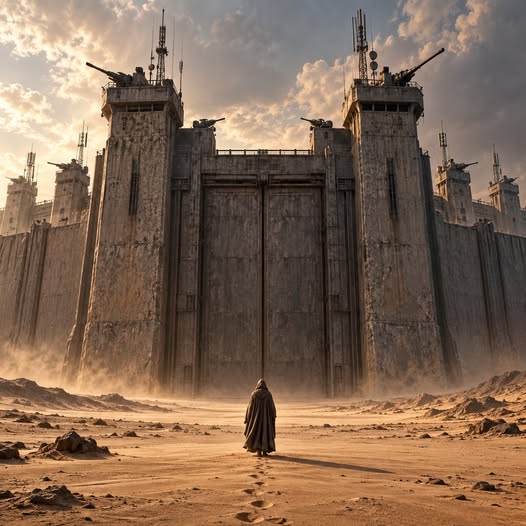
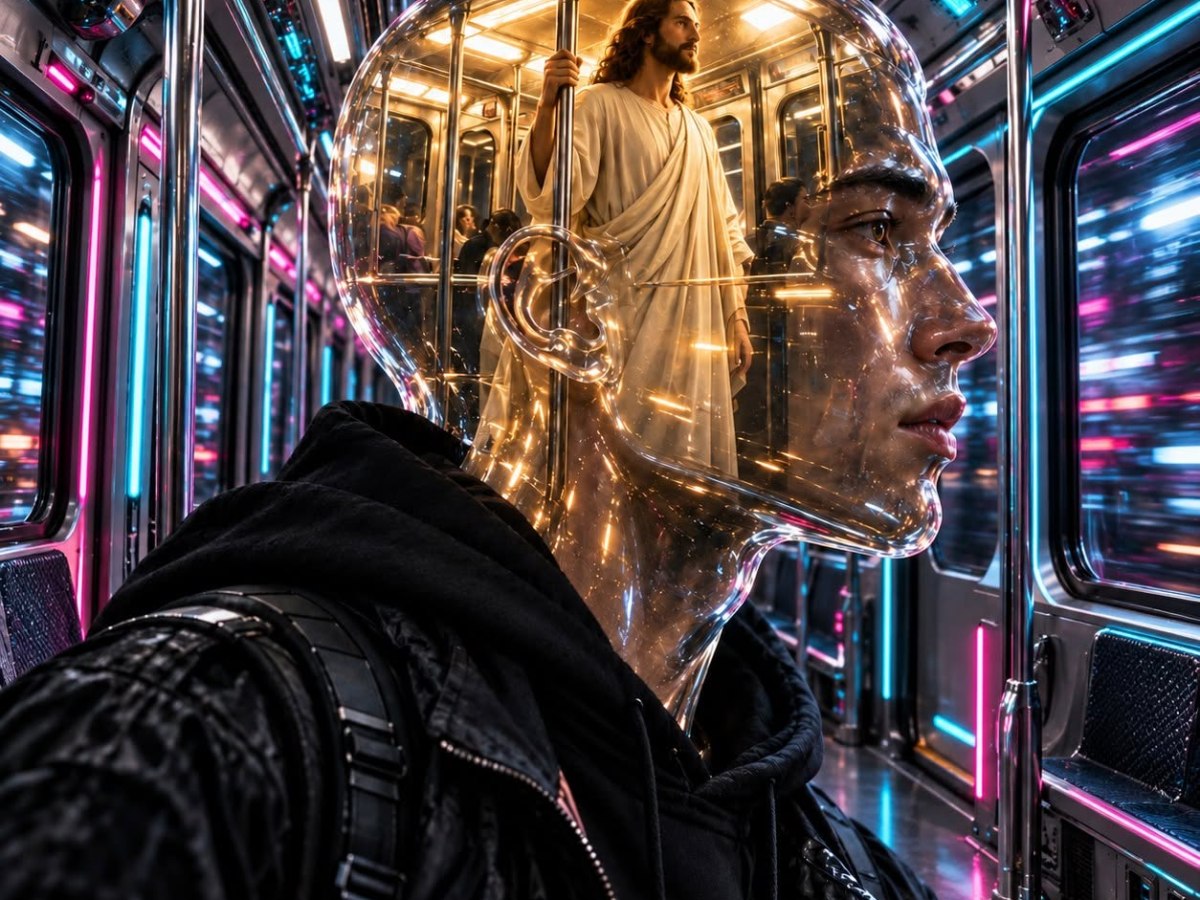
So he decides to remake himself. He starts monitoring every emotion, correcting every thought, demanding perfection. But the system adapts quickly. Now it protects him no longer with fear but with religious “spirituality.” It insists he be calm, loving, strong, and impeccable. The armor becomes luminous, but underneath is the same frightened person.
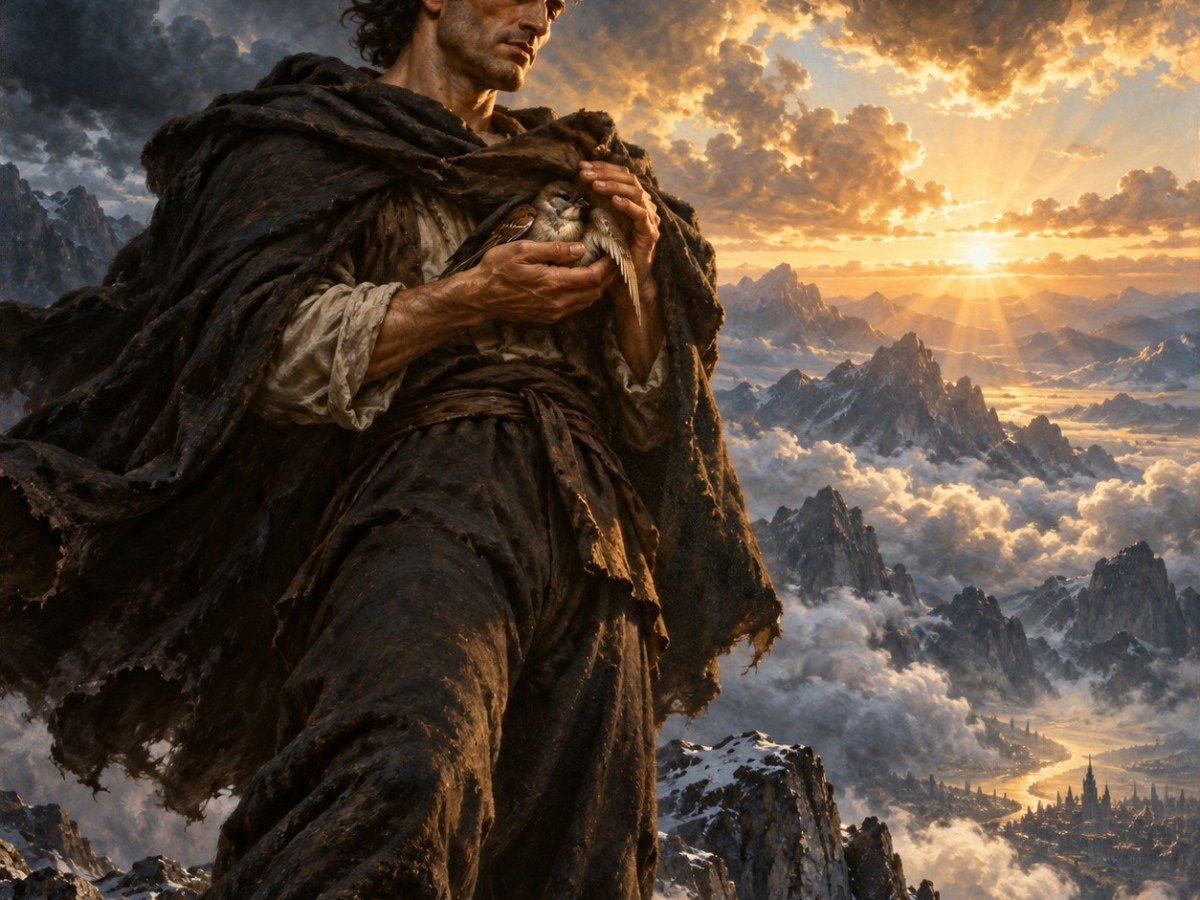
Jesus described another way. He didn’t speak of a machine to be disassembled and rebuilt, but of a seed cast into the ground. The seed lies in the dark, opens, and slowly moves toward the light. No one pulls the shoot out by force. Life rises from within, even though you don’t know how it happens.
Spiritual growth doesn’t occur without our participation. You have to water the soil, remove the stones, and protect the young plant. But you can’t command it to become a tree at once. A person can choose truth instead of pretense, trust instead of control, and love instead of protection. The growth itself happens deeper than his commands.
The old inner system notices the change. The old commands no longer work so unconditionally. Fear still appears, but it no longer makes the decisions. Anger no longer hides behind a smile; it helps the person see a crossed boundary. Sadness restores the ability to cry without dragging him into an abyss.
There comes a time when the armor begins to open. Not all at once. Some parts remain, but they change their purpose. Control becomes responsibility, people-pleasing becomes sensitivity, loneliness becomes independence, perfectionism becomes conscientiousness. What disappears is not the strength he has gained, but the anxiety that forced him to use it all the time.
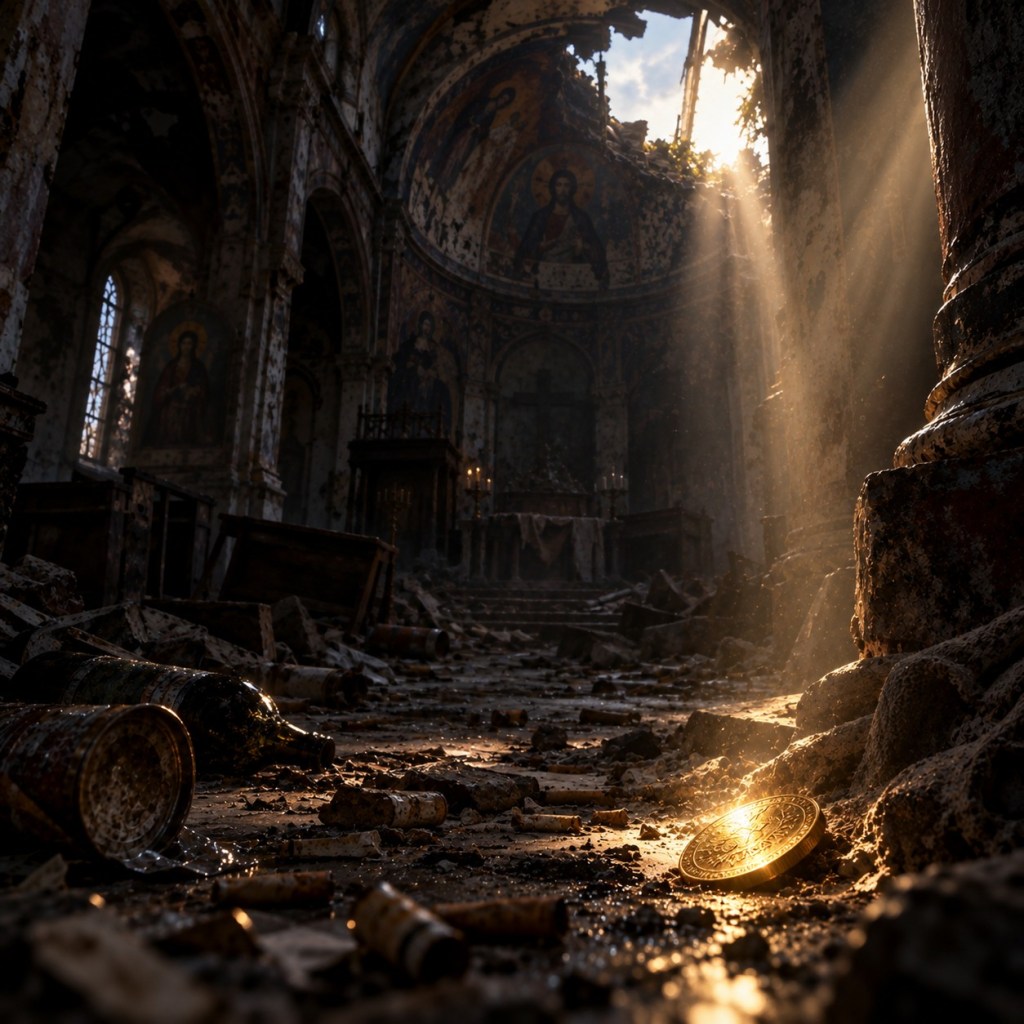
Suppressing feelings can sometimes be a temporary stage. It helps one get through a place where he is not yet able to meet his pain. But a stage becomes a trap if it is taken for the destination. Protection should preserve life, not replace it.
Perhaps spiritual growth does not begin with the order to strip off the armor immediately. There may be too much pain underneath. First something stronger than fear must grow inside: trust in the Heavenly Father, a sense of one’s own dignity, and the ability to love without losing oneself.
One day the system gives its habitual alarm, but for the first time the person does not obey. He hears the fear, understands where it came from, and nevertheless takes a free step. The world does not collapse. Behind one opened door is another, and beyond it begins a life that no longer needs to be guarded from itself.








Leave a comment